
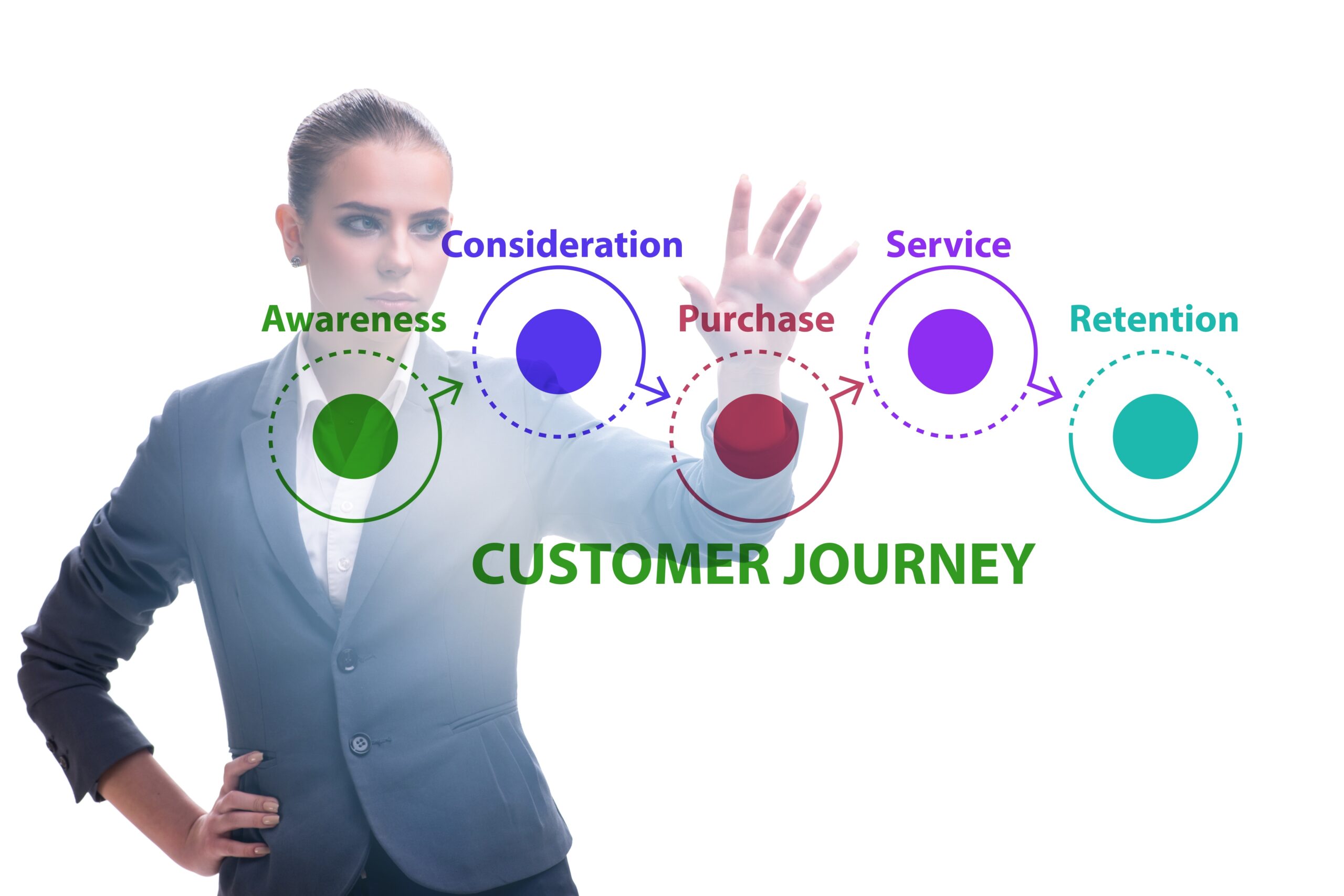
Every sale starts with a decision-making path, yet too many businesses underestimate how structured this path truly is. The customer journey stages shape how buyers think, act, and ultimately commit to a purchase.
Without understanding these stages, sales teams often rely on guesswork, leading to missed opportunities, inconsistent results, and fragile relationships. A clear roadmap is no longer optional—it is the cornerstone of building trust in a competitive sales environment.
For companies looking to thrive in direct sales, recognizing these stages means more than plotting steps on a chart. It’s about aligning each conversation, pitch, and follow-up with what buyers genuinely need at that exact moment.
When teams adapt strategies to fit where customers are in their journey, the result is smoother sales cycles, stronger connections, and long-term loyalty beyond a single transaction.
What Is Customer Journey?
The term “customer journey” refers to a person’s complete experience with a brand, from the first point of awareness to becoming a loyal promoter. It’s not just a linear funnel but a cycle that reflects real human behavior. People gather information, compare, hesitate, decide, and then return if their expectations are met—or walk away if trust is broken.
In sales, understanding what a customer journey means and knowing how to meet customers where they are are crucial. This perspective ensures that strategies feel natural and relevant rather than forced or pushy. It also creates an environment where trust can grow with each stage of interaction.
Why Customer Journey Stages Matter in Direct Sales
Direct sales thrives on personal interaction, but without structure, even strong communication falls short. Customer journey stages provide that structure by clarifying what buyers expect and how sales professionals can deliver value. When sales teams rely on these stages, they avoid generic pitches and instead focus on building lasting relationships.
A stage-based approach does three critical things:
- Reduces friction: Buyers feel understood and supported rather than pressured, creating a smoother experience that encourages them to stay engaged.
- Builds trust: Transparency and timing create credibility. When customers sense honesty, they are more confident in moving forward.
- Improves consistency: Each interaction follows a roadmap that balances strategy with authenticity. This predictability helps reinforce reliability in the sales process.
Here are the stages that follow and show how each part of the journey supports lasting trust:
Stage 1: Awareness—Sparking Interest and Building Recognition
The journey begins when a prospect first notices a product or service. At this stage, buyers often aren’t actively searching; they’re curious or intrigued by something new. It is the point where first impressions matter most, and even minor details can shape perception. Creating awareness is about planting a seed of recognition that can grow into interest and trust.
To make an impact on awareness:
- Share stories or relatable experiences that resonate deeply with customer needs and emotions.
- Highlight clear, simple benefits instead of overwhelming details that may confuse or distract.
- Build credibility through strong community presence, live events, or authentic direct conversations that feel personal.
Trust starts forming here. Even without a purchase, prospects evaluate whether a brand feels authentic or transactional. A single positive interaction can spark curiosity that encourages further engagement. When approached thoughtfully, awareness becomes the first building block of long-term loyalty.
Stage 2: Consideration—Educating and Providing Value
When customers move to consideration, they weigh options and look for reasons to choose one solution over another. This is where education plays a crucial role in setting a brand apart. Buyers want clarity and reassurance that they are investing their time and money wisely. Sales professionals must approach this stage with patience and a focus on genuine support.
Strategies for this stage include:
- Providing honest comparisons without attacking competitors, ensuring customers feel respected and informed.
- Offering demonstrations or hands-on experiences that allow customers to picture real-world results.
- Answering questions directly and thoroughly, focusing on customer concerns rather than pushing features that may not fit.
For sales professionals, this stage is about guiding rather than convincing. A genuine willingness to inform creates trust that often carries into the decision stage. Customers feel empowered when their concerns are addressed with honesty. This sense of empowerment makes them more confident in taking the next step forward.
Stage 3: Decision—Guiding Prospects With Confidence
By the decision stage, the buyer is prepared to act, but doubts and hesitations often linger. This is the critical moment when sales professionals must reinforce confidence. Every detail matters, from pricing transparency to how respectfully concerns are addressed. Building reassurance at this point helps turn intent into commitment.
Ways to succeed here:
- Share testimonials and case studies that clearly reduce uncertainty and show proven outcomes.
- Provide clear explanations of terms, costs, and outcomes so there are no hidden surprises.
- Demonstrate flexibility with personalized offers when appropriate, showing buyers that their unique needs matter.
When handled well, this stage transforms hesitation into action. The key is reassurance—showing buyers they make the right choice with a trusted partner. Strong decision support lays the groundwork for future loyalty. Customers who feel respected at this point often return for more business down the road.
Stage 4: Retention—Strengthening the Relationship Beyond the Sale
The journey doesn’t end with a sale. Customer retention is where long-term growth begins, turning one-time buyers into repeat customers. Companies that neglect this stage often struggle with churn, while those prioritizing it create loyal advocates. The goal is to remind customers that the relationship holds value long after money has exchanged hands.
Effective retention strategies include:
- Sending thoughtful follow-up messages to ensure satisfaction and address any concerns quickly.
- Offering exclusive deals or updates for existing customers to make them feel appreciated and valued.
- Maintaining regular contact without overwhelming communication, striking the right balance of presence and respect.
Retention shows that the relationship matters beyond the transaction. Customers who feel valued are far more likely to return and advocate for the brand. This consistent care builds a sense of security that customers rarely forget. Over time, retention efforts create a cycle of repeat business and referrals.
Stage 5: Advocacy—Turning Customers Into Loyal Promoters
Customers naturally become advocates when they are delighted with the product and the relationship. Advocacy is the stage where trust evolves into promotion and loyalty becomes contagious. Loyal customers often feel proud to recommend a brand, seeing it reflect their good judgment. This enthusiasm can fuel growth far beyond what marketing alone can achieve.
Sales teams can encourage advocacy by:
- Asking for referrals in a respectful, value-driven way feels rewarding rather than transactional.
- Highlighting customer stories or testimonials publicly, showing appreciation for their loyalty and voice.
- Creating opportunities for loyal customers to share feedback and experiences in meaningful ways.
Advocacy doesn’t just build sales—it builds reputation. Referrals carry more weight than any advertisement, making this stage a powerful driver of sustainable growth. Brands that cultivate advocates benefit from trust that spreads naturally. This ongoing ripple effect strengthens credibility and attracts new prospects with less effort.
Build Trust, Strengthen Relationships, and Grow
Customer journey stages act as a guide for turning unpredictable interactions into predictable, meaningful results. By aligning strategies with these stages, businesses move beyond guesswork into purposeful, trust-driven sales. The outcome is stronger connections, repeat business, and sustainable growth.
Every strong relationship begins with understanding. Sales teams that commit to empathy, timing, and transparency set themselves apart in a crowded market. Ranr Management Group understands this principle and applies it to create pathways where clients and customers thrive together. We provide hands-on direct sales strategies that connect brands with people and strengthen long-term trust.
Explore our services and align your strategies with the journey that truly matters: your customers.